
Everything Buyers (and Sellers) Need to Know
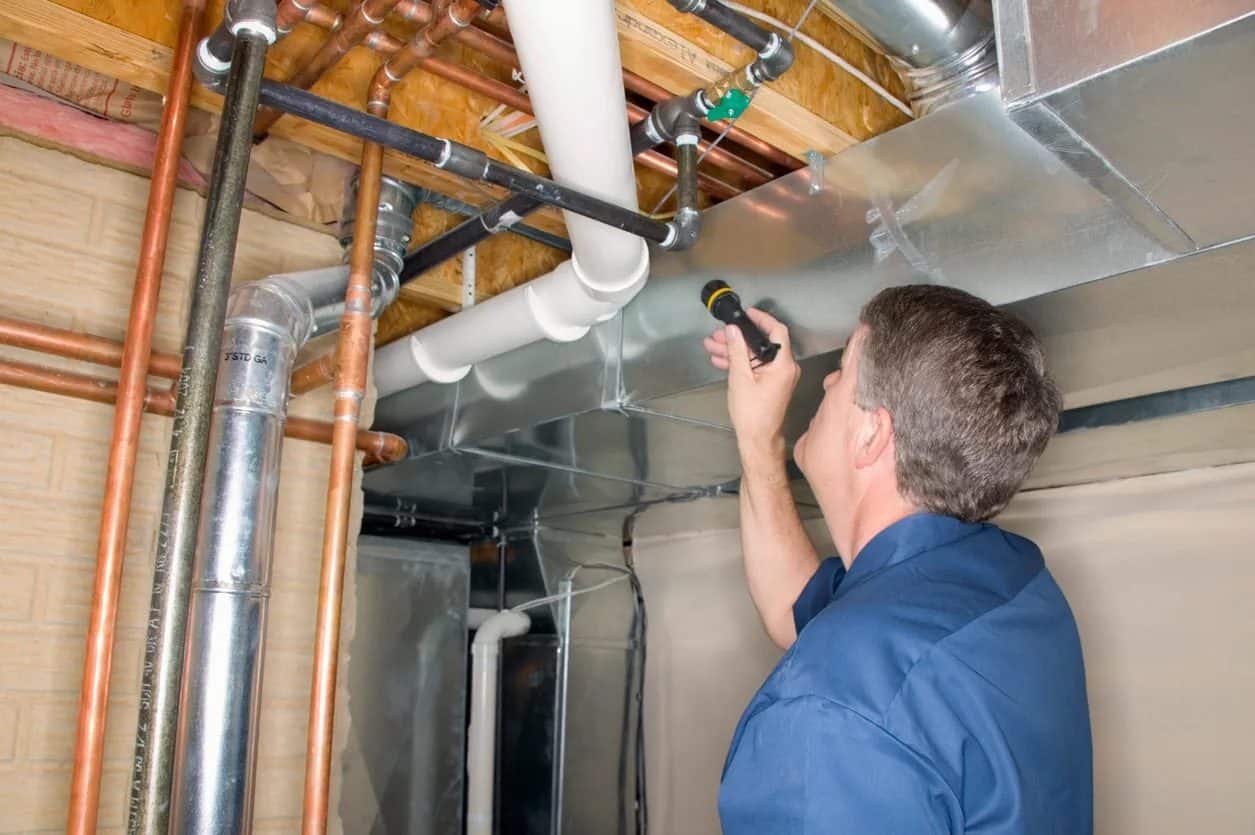
Buying a home in Columbia, Missouri? Thorough home inspections help you move forward with clarity and confidence. Below is a simple, step-by-step guide to inspections in Columbia, MO—what they include, why they matter, and how to use the results to make smart decisions.
Why Home Inspections Matter in Columbia, Missouri
A professional inspection gives you a clear picture of a home’s condition. It can reveal hidden issues, help you budget for repairs, and support fair negotiations—so you invest wisely.
Types of Home Inspections in Columbia, MO
General Home Inspection (the baseline)
A licensed or certified inspector examines major systems and components, typically including:
-
Foundation and overall structure
-
Roof, gutters, and attic ventilation
-
Plumbing supply and drain lines
-
Electrical panel, wiring, outlets, and switches
-
Heating, ventilation, and air conditioning (HVAC)
-
Windows, doors, and visible insulation
-
Basement or crawl space
Termite / Wood-Destroying Insect Inspection
Protects your investment by checking for:
-
Active infestations and wood damage
-
Mud tubes and frass
-
Buckling paint or other warning signs
Radon Testing (common in Mid-Missouri)
Radon is a naturally occurring gas that can enter through the foundation. Testing typically involves:
-
Placing a device on the lowest livable level
-
Monitoring levels for a set period
-
Reviewing results; 4.0 pCi/L or higher often triggers mitigation
Additional Specialized Inspections (as needed)
-
Sewer line scope (especially for older homes)
-
Septic/lagoon inspection for properties not on city sewer
-
Pool/spa inspection
-
Indoor air quality or mold testing
What Inspectors Look For (and Why It Matters)
Structure & Foundation
-
Signs of settlement, large cracks, or movement
-
Moisture in basements; decay in crawl spaces; sloping floors
Roof & Attic
-
Shingle wear, flashing, leaks, and estimated age
-
Gutter/downspout performance and attic ventilation
Plumbing
-
Leaks, corrosion, and water pressure
-
Fixture function (sinks, toilets, tubs/showers)
Electrical
-
Panel condition and proper grounding
-
Outlet/switch function and presence of outdated wiring in older homes
HVAC
-
Proper heating/cooling cycles
-
Age, efficiency, and basic maintenance needs
The Home Inspection Timeline in Columbia, MO
1) Schedule Quickly
After your offer is accepted, schedule the inspection early in your contract’s inspection period to keep your timeline on track.
2) Attend the Inspection (if possible)
Plan for about 2–4 hours, depending on size and condition. Being there helps you:
-
Ask the inspector questions in real time
-
See issues firsthand
-
Learn basic maintenance tips
3) Review the Report
Within a few days, you’ll receive a written report with:
-
A summary of the home’s major systems
-
Noted defects and safety concerns
-
Photos and clear recommendations
How to Use the Report: Negotiation Options
Common Repair Requests
-
Safety hazards (electrical, structural, gas leaks)
-
Major system failures (HVAC, plumbing, roof leaks)
-
Significant water, mold, or pest issues
Repairs, Credits, or Price Adjustments
You can ask the seller to fix specific items, offer a credit, or adjust the price. Negotiation is a give-and-take; focus on big-ticket or safety items first.
Inspection Contingency Basics
A typical purchase agreement allows you to:
-
Complete inspections within a set timeframe
-
Request repairs or concessions based on findings
-
Cancel and keep earnest money if major issues arise (per contract terms)
Special Considerations for Columbia, MO Homes
Older Homes (full of charm—and quirks)
-
Check for updated electrical and plumbing
-
Ask about lead-based paint (pre-1978 homes) and possible asbestos
-
Watch for foundation settling and drainage issues
New Construction (still worth inspecting)
-
Confirm proper installation and workmanship
-
Verify code compliance and punch-list completion
-
Consider pre-drywall and final inspections
For Sellers: Pre-Listing Inspections (Optional but Smart)
A pre-listing inspection can:
-
Uncover issues before going on the market
-
Guide strategic, cost-effective repairs
-
Reduce surprises and keep negotiations smoother
Choosing a Qualified Home Inspector in Columbia, MO
Look for strong credentials and clear communication:
-
Certifications: ASHI or InterNACHI membership is a plus
-
Experience: Ask about similar homes (age, style, rural vs. city services)
-
Sample Reports: Prefer clear photos, plain-language summaries, and practical next steps
-
References & Reviews: Verify professionalism and responsiveness
Your Local Real Estate Partner
As your Columbia, MO real estate agent, I’ll help you:
-
Recommend trusted local inspectors
-
Attend the inspection when possible
-
Interpret the report and prioritize repairs
-
Navigate deadlines and contingencies
-
Negotiate fair solutions that keep your deal moving
FAQ: Columbia, MO Home Inspections
How long does a home inspection take?
Most take 2–4 hours, depending on size, age, and condition.
Do I need a termite inspection?
Often yes—lenders may require it, and it’s smart risk management.
Is radon testing necessary?
Radon is common in the region. Testing is affordable and can protect your health.
Should I waive inspections to win a bidding war?
That’s risky. If timing is tight, consider an informational inspection or limited walk-through evaluation—then decide with your agent.
What if the report is long?
That’s normal. Focus first on safety, structural, and big-ticket items. We’ll create a clear action plan.
Ready to Move Forward?
A thorough inspection helps you buy with confidence—and avoid costly surprises. Have questions about home inspections or the buying process in Columbia, MO? I’m here to guide you every step of the way.